
For busy parents juggling school drop-offs and late commutes, older neighbors living independently, and local shop owners watching the sidewalk outside, safety and reliability aren’t abstract topics, they’re daily concerns. The challenge is that problems like slow response times, confusing city services, and preventable street risks can feel scattered and hard to pin down, even when everyone is doing their best. That’s where city technology adoption comes in: when designed well, it supports public safety enhancement and community service improvement in ways that blend into everyday life instead of adding stress. For general readers’ interest, the real takeaway is simple: urban technology benefits can make a city feel easier to live in.
How Smart City Systems Fit Together
Think of smart city tech as a simple three-part system that shares the same goal: help people get help faster and avoid problems earlier. Emergency response systems handle urgent calls and dispatch. Traffic monitoring technology watches patterns and pinch points. Digital public services make routine tasks like reporting an issue or checking updates easier.
This matters because the parts work best when they connect. A traffic alert can guide responders around a jam. A digital report can route a non-emergency request to the right team, freeing 911 resources. The growth behind tools like the AI in traffic management market size shows cities are investing in that everyday coordination.
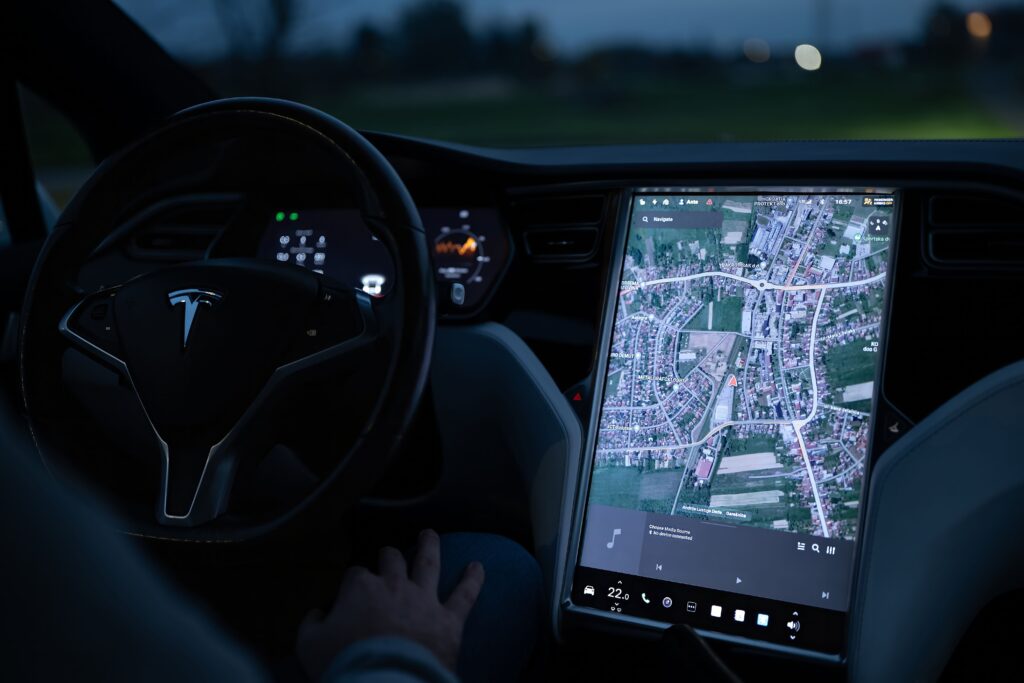
Picture a messy entryway with keys, shoes, and backpacks scattered. A basket, a hook, and a labeled bin turn chaos into a smooth routine. City tech works the same way, and projects like 130,000 streetlights to LEDs fit into the “prevent problems” bin. With the map in mind, machine vision becomes easier to grasp in real street scenarios.
Use Machine Vision to Spot Hazards Before Streets Get Risky
When city systems share data smoothly, cameras can do more than record, they can help spot trouble while there’s still time to respond. Machine vision turns live video into real-time signals a city can act on: monitoring traffic flow as conditions change, detecting road hazards as they appear, and flagging early signs of problems like flooding or a blocked crosswalk.
Instead of waiting for a phone call or a staff member to notice an issue during a drive-through, these systems can automatically alert the right crews, helping them respond faster than manual reports alone. If you want a practical deep dive into running these capabilities close to where video is captured, a guide worth reading can help you understand the basics of machine vision at the edge.
Because this work happens out in the real world, successful machine vision depends on robust, durable computing systems that can withstand demanding industrial conditions while still delivering the real-time processing that makes alerts truly useful.
Tour 5 Real-World Ways Cities Put Tech to Work
Smart city tech can feel abstract until you picture where it “lives” in daily life: at intersections, on poles, in control rooms, and inside the apps people use to ask for help. Here are five real-world smart city project patterns you can look for, and the community safety improvements and service wins they usually bring.
- Start with one “high-friction” intersection and make it smarter: Ask your city to pilot signal timing upgrades at a single corridor with frequent near-misses or long backups. Many projects pair traffic sensors with the same machine-vision hazard detection ideas you’ve seen, spotting blocked crosswalks, wrong-way movement, or sudden congestion, then adjusting signal timing and alerts. The win is immediate: fewer conflict points, quicker emergency vehicle movement, and more predictable travel times.
- Use a digital twin to test changes before crews touch the street: A practical urban technology implementation step is building a “virtual copy” of one problem area, downtown grid, school zone, or event district, so planners can try different lane closures, timing plans, or bus-priority changes safely. Some cities combine AI with these models for more accurate “what if” forecasting; AI with digital twins has been used to improve mobility outcomes such as commute reliability. You get better decisions with fewer disruptive experiments on real streets.
- Turn “see something” into a tracked service request in under 60 seconds: Encourage a simple reporting flow that lets residents attach a photo, choose a category, and auto-fill location, potholes, broken lights, graffiti, downed signs, or recurring flooding. The practical tip is to request two features: a visible ticket number and a promised update window like 48–72 hours for acknowledgment. When those requests connect to back-office work orders, response time improves and repeat hazards get addressed before they become injuries.
- Create a camera-to-crew playbook for the most common hazards: Machine vision is only helpful if it triggers consistent action. Ask for a small “runbook” that spells out thresholds: what counts as a dangerous sidewalk obstruction, how long a blocked bike lane can persist, when to dispatch traffic control, and who verifies closure. This is where benefits of city tech show up, fewer ambiguous handoffs, cleaner audit trails, and faster fixes during storms or big events.
- Share the safety wins with a simple public dashboard, and keep it human-readable: Push for a monthly dashboard that reports outcomes people actually feel: average time to fill a pothole, percent of streetlights repaired within a week, crash hot spots addressed, and 311 request closure times. The point isn’t shiny charts; it’s trust-building and budget clarity, especially as the smart cities market grows and more vendors offer “smart” upgrades. When results are visible, it’s easier to decide what to scale, and what needs stronger privacy rules or equity checks.
Smart City Safety Tech: Common Questions Answered
Q: What does smart city technology actually cost taxpayers?
A: Costs range widely, but bigger, cross-department rollouts can be significant. The benchmark of 1 million and 10 million helps you sanity-check budgets and ask what outcomes justify the spend. A good safeguard is insisting on small pilots with clear success metrics before scaling.
Q: How can a city improve safety without turning into “constant surveillance”?
A: Cities can limit risk by collecting only what they truly need, keeping it briefly, and restricting who can access it. Ask whether the system can work with anonymized or aggregated data, and whether audits and public reporting are required. Clear rules beat vague promises.
Q: What should I look for in a privacy policy that feels trustworthy?
A: Look for plain language on what data is collected, why, and how long it is stored, plus an easy way to request records or file complaints. It also helps when contracts spell out that vendors cannot reuse city data for their own purposes. If residents cannot understand the policy, it is not ready.
Q: Can smart services leave out people without smartphones or fast internet?
A: They can, unless the city designs for multiple access points from day one. Ask for phone, in-person, and paper alternatives, plus kiosks or library-based help. Equitable access is a service requirement, not a nice-to-have.
Q: Why do people accept these tools if privacy worries are so common?
A: The reality is that nearly 75 percent of Americans are more concerned about privacy, yet many still trade some data for convenience. Cities can earn trust by offering opt-outs where possible and proving the tool reduces harm, not just adds data.
Take One Privacy-First Step Toward Safer, Smarter City Services
Cities face a real tension: residents want faster help and smoother services, but not at the expense of privacy or fairness. The most reliable path forward is a steady, trust-first mindset, treating smart tools as public service infrastructure that earns consent, limits data, and stays accountable. When that approach guides a summary of public safety tech today and the future of urban technology, city innovations can reduce harm, improve response, and expand access without leaving communities behind. Smart safety works best when privacy and equity are built in from the start.
Image via Pexels